
An interview with Paul Longley: Think Mental Health
An interview with Paul Longley: Think Mental Health
Guest Interview • Winter 2021
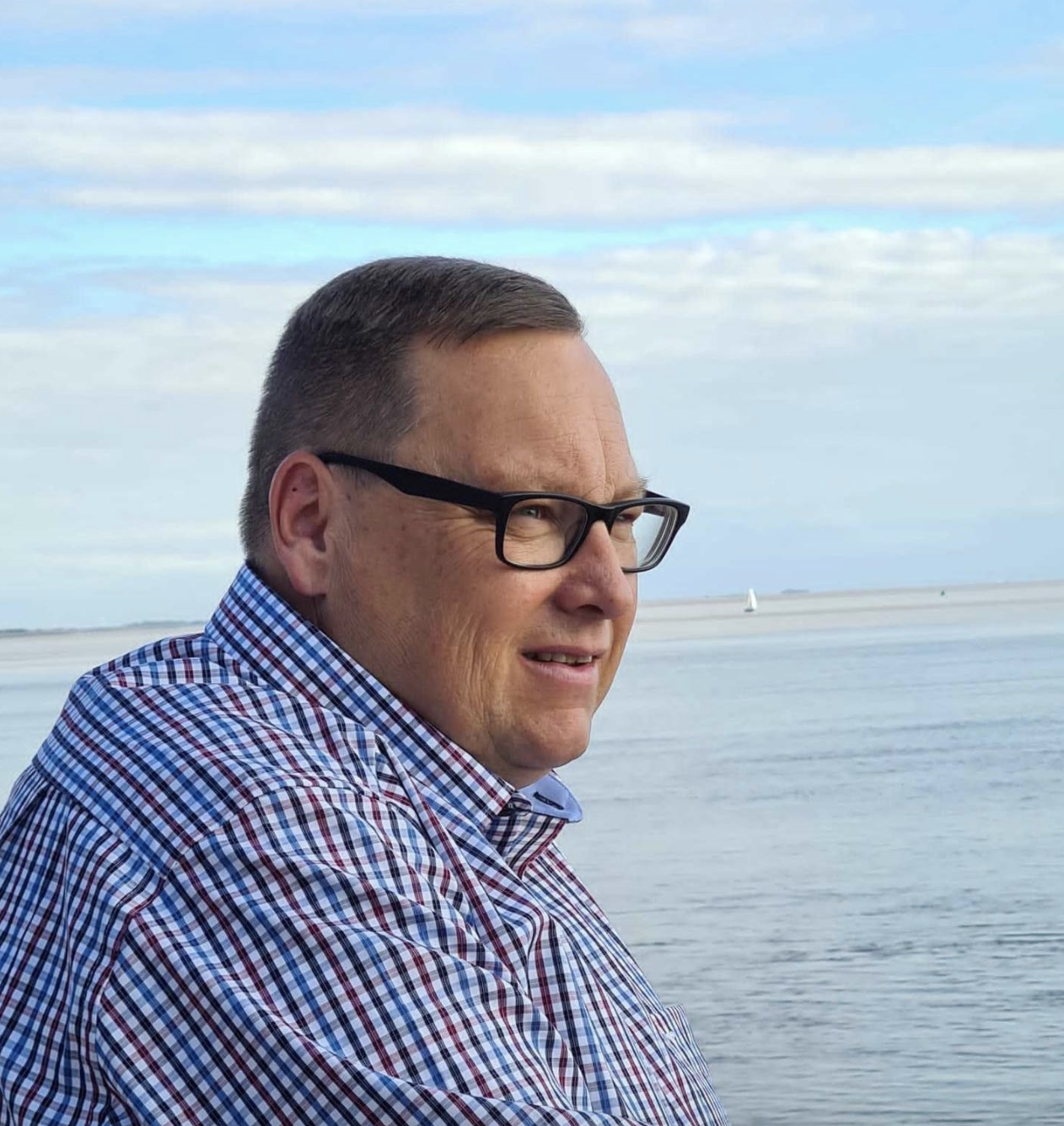
From fishing to a one-stop-shop in business mental health support
Jo from the Y&H team was delighted to spend time with the inspirational Paul Longley of Think Mental Health and discover how one man is on a mission to use his own brave story to change the lives of those in business and beyond with his one-stop mental health support service. He chatted to us from his premises at The Deep Business Centre while absorbing the beautiful view, and we felt warm inside after the conversation.
Paul, tell me about the formation of Think Mental Health.
I started Think Mental Health in January 2021, and much of the story stems from my own experiences. I suffered from mental health issues for over 25 years. Growing up, I was always tough and sporty and always kept my feelings and emotions inside. Around eight years ago, things took a downturn for me, and I almost took my own life. Fortunately, I had the support of someone close to me, and upon finally opening up to Rugby friends, I got the help I needed. What struck me at this time was it wasn’t just myself feeling this way. Four other friends opened up, and we joined Andy’s Man Club, eventually setting one up in Hull. I realised helping others was helping me, and where I used to have bad years, months and weeks, this is now a bad few hours or a day at most. I had been getting involved with the club and doing talks for a couple of years and wanted to do more when I was made redundant after 32 years in fish production. I decided then that I wanted to spend the next 20 years doing something meaningful and went to college to train to be a Mental Health First Aid Tutor. To deliver this as training, I had to undergo a teacher training course which was an enormous challenge for me; having left school with no qualifications, but thanks to the support of friends and family, I achieved this and in January 2021, and Think Mental Health was born.
And tell us about the types of work you are doing now and with what businesses?
I started with a range of clients in the city, predominantly providing Mental Health Training to help businesses manage their needs. As relationships have grown
with those businesses, we have recognised a need for companies who need a partner or one-stop shop for all their mental health requirements. This has led to us delivering accredited training and company wellbeing packages, including risk assessments, guidance, reports, and booklets. Many businesses are unsure how to handle this area, and we can put our arms around them and guide them along the way. We’ve worked with Victory Leisure to and they are establishing a wellbeing hub for their business and support Hull FC as their welfare officer for their youth team. Our support can take many forms. Since June, we have worked with Smith and Nephew to help them meet their target of quadrupling their number of Mental Health First Aiders in the business. So far, we have worked with individuals in ten countries around the world and expect this to cover a further 70 by April 2022.
What changes have you observed in business handling mental health since starting up?
COVID has impacted businesses in so many ways leaving companies with a lot of burning issues – the magnitude of issues they had to deal with during covid meant people weren’t at the top of their list of priorities – this is now changing. We are now seeing shortages of skills, and with 1 in 4 looking to change jobs, businesses need to work harder at looking after their people. We add to this by helping them to create a positive and supportive culture that can help companies retain good people bringing out the best in them. If I could bottle the enthusiasm we generate in our sessions with the people we help, no business owner wouldn’t want to engage with our services. I deliver the courses around my own experience and story, and that passion and vulnerability can have a real impact on people encouraging them to open up. Everyone has a story or knows someone affected by mental health. I not only leave these people with a qualification, but I encourage them to talk and support each other.
What are your tips for managing your mental health?
It’s straightforward for me; eat well, sleep well and exercise. Just moving around and getting some fresh air is extremely helpful and fitting that in around your routine is essential to doing what works for you. I get things in balance, and if I want a treat, I earn it.
Any final words for us, Paul?
The most important point I’d like to make is that this isn’t just a job; it’s a passion for me. I am fortunate to be supported with my cause personally and professionally
and simply love to see businesses joining up with us to really change the culture and not just undergo a box-ticking exercise. I have always been open and honest about my story and experiences; sometimes, this substantially impacts the people I work with, but it’s honest and relatable. I use those experiences to shape the course content to get people talking whilst getting accredited training delivered. Seeing the change, we make to both people and business is extremely rewarding and that’s what drives my why and my passion.
Thanks, Paul; we’ve enjoyed talking to you today.
Paul’s long-term relationships with businesses and the impact and changes he is making on his journey so far are clear to see. He’s creating positive working cultures in the city and around the world. The pandemic in whatever shape it continues won’t stop Paul; in fact, his work has never been more critical.
Find out more and contact him today via www.thinkmentalhealth.co.uk